List of Prefixes and Suffixes for Kids
This List of Prefixes and Suffixes for Kids covers 12 prefixes and 12 suffixes. A prefix begins a base word; a suffix ends it: un- changes happy to unhappy, while -ful changes help to helpful. These word parts help children infer meanings instead of memorizing words separately. Younger learners can build and sort spoken words; older children can study spelling changes, word classes, and multi-part words. Learning affixes in small groups reveals how English vocabulary works.
📥 Word-Part Power Practice
Build vocabulary by combining prefixes, root words, and suffixes
Leave your email — we'll send the PDF to your inbox.No spam — the PDF plus one short reminder. Unsubscribe anytime.
Why Word Parts Build Vocabulary Faster
Word parts prompt children to ask: “What do I already know inside this word?” Knowing that re- means “again” makes replay, reread, and rebuild easier to interpret. One part unlocks a family of related words.
Use the List of Prefixes and Suffixes for Kids as a reference, not a test. Let children meet each part in sentences, pronounce the new word, and check its meaning. This habit strengthens reading comprehension and spelling.
Common Prefixes and What They Mean
A prefix changes a base word’s meaning without necessarily changing its word class. Possible and impossible are adjectives, but the prefix reverses the meaning. Some prefixes carry multiple meanings, so context matters.
When revisiting the List of Prefixes and Suffixes for Kids, cover the last column and ask your child to predict each meaning. Then use the word in a sentence. This checks understanding without a long vocabulary drill.
Common Suffixes and What They Do
A suffix can change a word’s meaning, grammatical role, or both. Adding -ness to the adjective kind creates the noun kindness. Adding -ful to the noun help creates the adjective helpful.
Suffixes can trigger spelling changes. Happy becomes happiness, with y changing to i. Run becomes runner, with the final consonant doubled. Teach meaning first, then highlight the spelling pattern.
How Base Words and Roots Tie the System Together
A base word receives a prefix or suffix. In unhelpful, help stands alone: un- adds “not,” and -ful turns help into an adjective. Map the word as un + help + ful.
Teachers may call the central part a “root word.” More precisely, a root might not function independently in English. The root spect, meaning “look,” appears in inspect, respect, and spectator. Older learners can study this distinction; younger learners can start with base words such as play, kind, and read.
Not every beginning or ending is an affix. The un in uncle does not mean “not,” and the er in water does not mean “a person who does something.” An affix’s meaning must fit the whole word.
How to Introduce Word Parts at Home
Begin with two or three parts instead of the whole chart. For school-age children, try spoken pairs such as happy–unhappy and pack–unpack. Act out each contrast, use picture cards, or build words with letter tiles. Introduce formal terms after the concept is clear.
Create a word-family page. Write one base word in the centre and add branches: help, helper, helpful, helpless, and unhelpful. School-age learners can sort words by class and explain how each affix changes the meaning.
Print or copy the List of Prefixes and Suffixes for Kids, then mark parts your child encounters in books, lessons, or conversation. LearnLink tutors connect new patterns to known words. At home, a five-minute contextual review beats copying an entire table.
Practice Activities for Different Ages
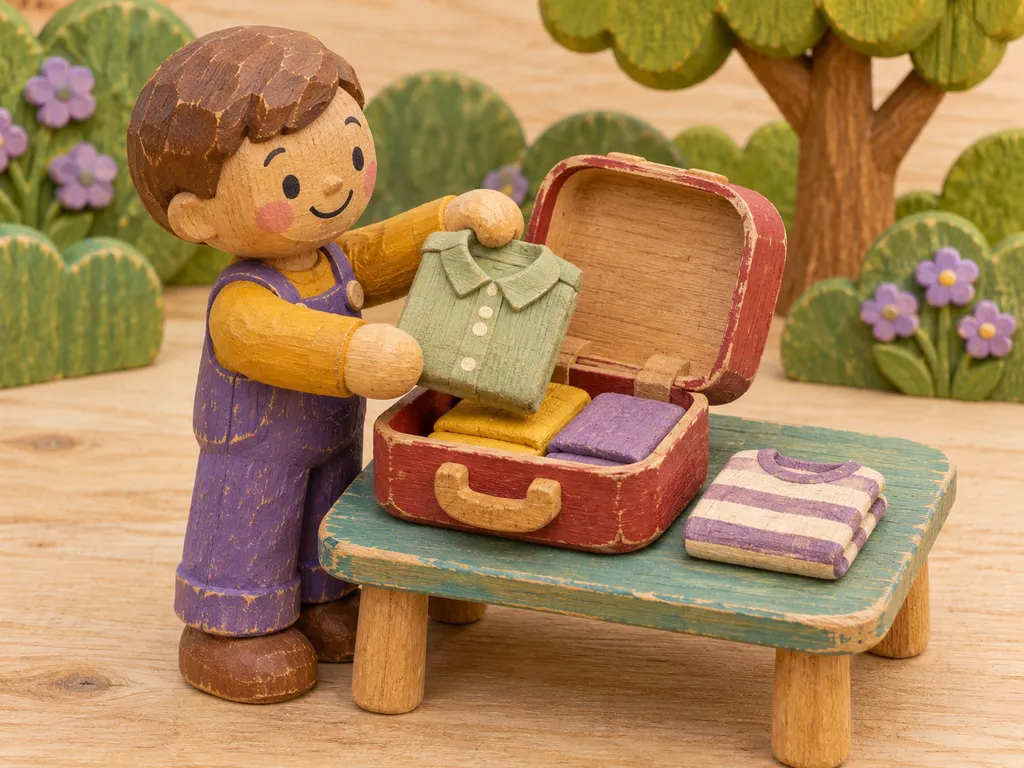
Match each task to your child’s reading stage. Young children need sounds, movement, and visible word pieces. Independent readers can compare meanings and spellings. Teenagers can analyze unfamiliar academic words while explaining each one plainly.
Keep corrections brief. If a child invents a possible word such as unfunny, test whether the parts make sense, then discuss whether English speakers use it. Word building should develop curiosity and accuracy.
Three-minute Word-part Challenge
Choose the base word use. Build reuse, useful, useless, and user. Ask your child to underline the base, circle each affix, and create a sentence with every word. Finish by identifying which part changed the meaning and which changed the word’s job.
When a word has several meanings or pronunciations, Cambridge Dictionary is a useful check before turning it into child-friendly examples.
Frequently Asked Questions
At What Age Should Children Learn Prefixes and Suffixes?
Children can notice simple word changes from about age 4 or 5 through talk and play without memorizing formal labels. Once a child reads short words, name parts such as un-, re-, -er, and -ful. Follow the child’s reading and language development, not a fixed birthday.
What Is the Difference Between a Prefix and a Suffix?
A prefix comes before a base word; a suffix comes after it. In unhelpful, un- is the prefix, help the base, and -ful the suffix. The List of Prefixes and Suffixes for Kids shows how prefixes adjust meaning while suffixes can affect meaning or word class.
Can Multilingual Children Study English Word Parts?
Yes. Multilingual children may notice that languages build words from smaller meaningful parts. Encourage comparisons, but do not assume English affixes follow another language’s rules. Present examples in complete English sentences so meaning, grammar, and pronunciation develop together.
Why Does My Child Make Mistakes When Splitting Words?
Children may mistake familiar letter groups for meaningful parts. They might split uncle into un- and cle. Ask whether the remaining base is recognizable and whether the prefix meaning fits the whole word. The mistake becomes a word-analysis check, not a spelling failure.
How Many Word Parts Should a Child Learn at Once?
Start with two or three related parts and examples for each. Review them through reading, conversation, and short writing before adding more. A child who explains replay, spots re- in a book, and creates reread understands more than one who recites ten unused prefixes.
Want to see how these ideas work in a real lesson — try a LearnLink trial lesson.
Stay updated on our latest tips and resources by following us on Instagram LearnLink.